
Listening isn’t about having the right response.
When someone shares something vulnerable, they usually aren’t asking you to solve it.
More often, they’re hoping someone will simply stay with them.
To feel heard is to feel understood—not because another person has experienced exactly what you have, but because they’ve taken the time to genuinely understand your perspective.
Sometimes, the greatest comfort comes not from advice, but from presence.
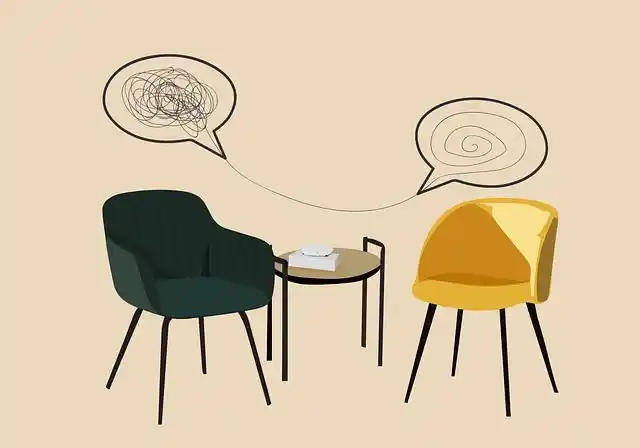
Notice what happens while someone else is speaking.
As you listen, gently ask yourself:
- Am I already thinking about what I’ll say next?
- Am I trying to fix this?
- Am I comparing this to my own experiences?
- Am I interrupting, even in small ways?
- Or am I simply allowing this person to finish their thought?
There isn’t a right or wrong answer.
This isn’t about judging yourself—it’s about becoming more aware of how you show up in conversation.
Curiosity creates connection
Listening isn’t passive.
It asks us to stay curious.
Instead of assuming we know what someone means, we can ask gentle questions like:
“Can you tell me more about that?”
“What was that like for you?”
“How did that make you feel?”
Questions like these communicate something powerful:
I’m here with you. I want to understand.
Silence isn’t something to fear.
Many of us rush to fill quiet moments because they feel uncomfortable.
But silence often gives people the space to think, process, and find the words they couldn’t access before. You don’t have to fill every pause. Sometimes, sitting quietly beside someone’s emotions is one of the kindest things you can do.
Listening begins with feeling safe yourself.
It’s difficult to be fully present for another person when your own nervous system feels overwhelmed.
If you’re stressed, distracted, or emotionally flooded, listening may naturally become harder. That doesn’t mean you’ve failed. It simply means you’re human. The more compassion you extend toward yourself, the more available you often become for others.
A Small Practice
The next time you’re having a conversation with someone you care about, try one simple intention:
Listen to understand—not to respond.
Notice how the conversation changes when you slow down, stay curious, and allow the other person to feel fully heard.
You may find that connection grows not because you said the perfect thing, but because you made space for someone else’s experience.
If this resonated with you
Relationships often become stronger when both people feel seen, heard, and understood. If you’re finding communication difficult—whether with a partner, family member, or even yourself—therapy can offer a space to slow down, explore those patterns, and build new ways of connecting.